


Rotator Cuff Sparing Shoulder Replacement in OH
Dr. Frangiamore offers rotator cuff-sparing shoulder replacement in Cleveland, Ohio for carefully selected patients with shoulder arthritis and an intact rotator cuff. This specialized approach is designed to preserve important soft tissues around the shoulder while addressing the damaged joint. Dr. Frangiamore also provides highly specialized care during and after surgery. Contact Dr. Frangiamore's team for an appointment today!
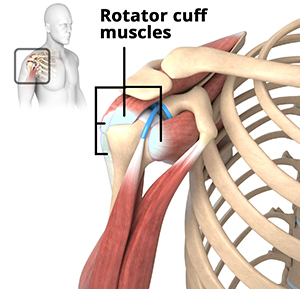
What is Rotator Cuff Sparing Shoulder Replacement?
Rotator cuff sparing shoulder replacement is an advanced shoulder replacement technique designed to preserve the rotator cuff muscles and tendons during surgery. The rotator cuff is a group of four muscles and their tendons that stabilize the shoulder and enable lifting and rotating the arm. Unlike traditional approaches that may require detaching and repairing part of the rotator cuff, this muscle-preserving technique uses specialized surgical approaches to minimize disruption to these important structures. By maintaining the integrity of the rotator cuff whenever possible, patients may experience less postoperative pain, improved shoulder function, and faster rehabilitation. This procedure is typically performed for patients with shoulder arthritis or joint damage who have an intact and healthy rotator cuff.
What are the Benefits of Rotator Cuff Sparing Shoulder Replacement?
This surgical technique offers several potential advantages by preserving the shoulder's natural soft tissues.
Benefits include:
- Preserves the integrity of the rotator cuff muscles and tendons
- Reduces muscle and tendon trauma during surgery
- May result in less postoperative pain
- Promotes faster early recovery and rehabilitation
- Improves shoulder stability after surgery
- Helps restore a more natural range of motion
- Reduces the risk of rotator cuff-related complications
- Allows earlier return to many daily activities
- May improve long-term shoulder strength and function
When is Rotator Cuff Sparing Shoulder Replacement Recommended?
A healthcare provider may recommend this technique when shoulder replacement is necessary, but the rotator cuff remains functional.
Common indications include:
- Moderate to severe shoulder osteoarthritis
- Rheumatoid arthritis affecting the shoulder joint
- Avascular necrosis of the humeral head
- Post-traumatic arthritis following shoulder injury
- Persistent shoulder pain that does not improve with nonsurgical treatment
- Significant stiffness and loss of shoulder function
- Intact and healthy rotator cuff confirmed through imaging and clinical examination
- Patients seeking a muscle-preserving surgical approach when appropriate
What Does Preparation for Rotator Cuff Sparing Shoulder Replacement Involve?
Preparation begins with a comprehensive evaluation that includes a medical history, physical examination, and imaging studies such as X-rays, CT scans, or MRI to assess the shoulder joint and rotator cuff. Blood tests and other preoperative evaluations help determine overall fitness for surgery.
Patients may be advised to stop certain medications, such as blood thinners, before surgery under medical supervision. Smoking cessation, blood sugar control for individuals with diabetes, and maintaining good overall health can improve healing. The surgeon will discuss the procedure, expected outcomes, rehabilitation plan, and potential risks. Patients should also arrange transportation home and assistance with daily activities during the first few weeks after surgery.
How is Rotator Cuff Sparing Shoulder Replacement Procedure Performed?
The procedure is typically performed under general anesthesia, often combined with a regional nerve block for postoperative pain control. A carefully planned incision is made over the shoulder using a surgical approach specifically designed to preserve the rotator cuff tendons. Rather than detaching the rotator cuff, the surgeon works through natural tissue intervals to access the shoulder joint while minimizing soft tissue disruption.
The damaged cartilage and arthritic portions of the humeral head are removed, and the upper arm bone is prepared to receive the prosthetic component. The glenoid (shoulder socket) is then carefully reshaped, and a polyethylene socket component is implanted when a total shoulder replacement is performed. Trial implants are used to confirm proper sizing, alignment, stability, and range of motion before the final components are secured.
After confirming smooth joint movement and implant positioning, the surgical site is irrigated, bleeding is controlled, and the incision is closed with sutures or staples. A sterile dressing and arm sling are applied before the patient is transferred to the recovery area.
What to Expect During Recovery After Rotator Cuff Sparing Shoulder Replacement?
Most patients begin gentle shoulder movement soon after surgery under the guidance of a physical therapist. A sling is typically worn for several weeks to protect the shoulder while healing begins. Pain and swelling gradually decrease with prescribed medications, ice therapy, and activity modification.
Physical therapy progresses from gentle range-of-motion exercises to strengthening exercises over several weeks. Many patients resume light daily activities within a few weeks, while full recovery and functional improvement generally occur over several months. Following the rehabilitation program and attending scheduled follow-up visits are essential for achieving the best possible outcome.
What are the Risks and Complications of Rotator Cuff Sparing Shoulder Replacement?
Although this procedure has a high success rate, all surgeries carry potential risks. Discussing these possibilities with your surgeon helps you make an informed decision.
Potential risks and complications include:
- Infection
- Bleeding
- Blood clots
- Nerve or blood vessel injury
- Shoulder stiffness
- Persistent pain
- Implant loosening or wear over time
- Shoulder instability or dislocation
- Periprosthetic fracture
- Need for revision shoulder replacement surgery
Careful surgical planning, experienced surgical technique, and adherence to postoperative rehabilitation help minimize complications and support a successful recovery.
